Electric Vehicles
Why Public Charging Costs More Than Home Charging
The gap between home and public charging prices reflects hardware cost, grid connection charges and low utilisation rather than any difference in the electricity itself.
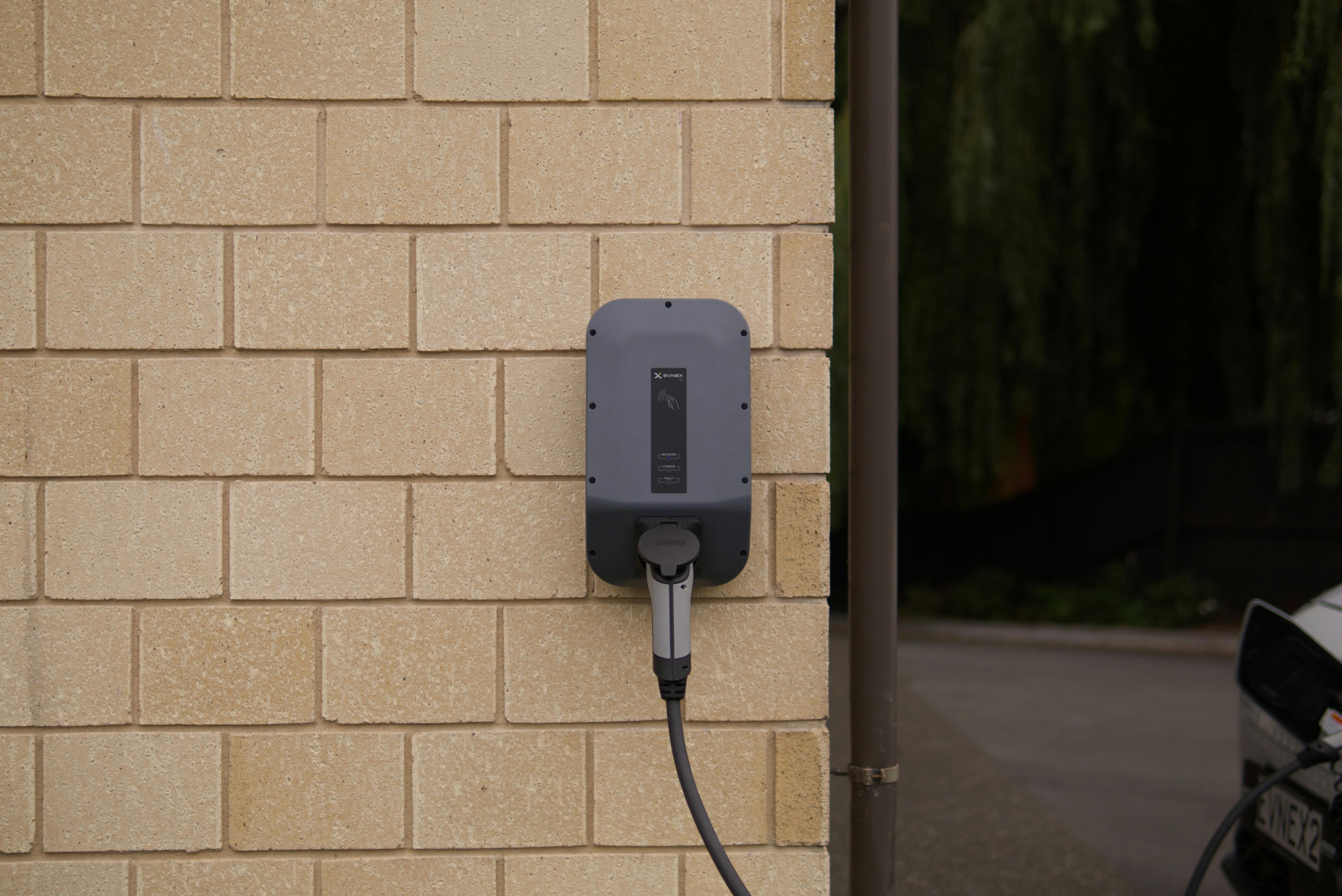
Charging at a public rapid charger typically costs several times what the same energy costs at home. The difference is structural, and very little of it is the electricity.
The hardware is expensive and short-lived
A rapid charger contains substantial power electronics, cooling, cabling and payment systems, and it costs orders of magnitude more than a domestic unit.
It operates outdoors, is used by strangers and suffers damage and vandalism, so replacement and repair are ongoing rather than exceptional.
That capital must be recovered across the energy delivered, which loads a fixed cost onto every unit dispensed.
Grid connections are charged by capacity
A site drawing very high power for short periods pays for the capacity it might use, not only for what it consumes.
Those standing charges apply whether or not any vehicle arrives, so a quiet site pays substantially for the ability to serve a peak.
Where the local network cannot supply the required capacity, reinforcement costs fall on the operator and are recovered the same way.
Utilisation determines whether a site works
Fixed costs are spread across sessions, so a charger used many times a day can price far lower than an identical one used occasionally.
Early networks were built ahead of demand, which meant low utilisation and prices that reflected it, and that inheritance persists in some locations.
Rural and low-traffic sites face this permanently, which is why they often depend on subsidy or on cross-subsidy from busier locations.
Batteries on site change the economics
Installing storage lets a charger draw steadily from a modest connection and deliver high power in bursts from the battery.
This avoids expensive reinforcement and capacity charges, at the cost of the storage hardware and the space it occupies.
It also allows the operator to buy energy at cheaper times, which recovers some of the cost through arbitrage rather than through pricing alone.
Home charging avoids nearly all of it
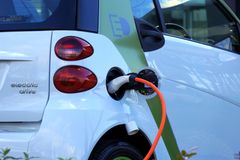
A domestic charger is cheap, uses an existing connection, delivers power slowly over many hours and serves one vehicle predictably.
Overnight tariffs available in many markets reflect low demand at those hours, lowering the underlying energy cost as well.
The consequence is a substantial ownership difference between drivers with off-street parking and those without, which is now a recognised equity issue in charging policy.