Electric Vehicles
Total cost of ownership: running the numbers properly
Purchase price is the worst comparison available, and the honest calculation depends heavily on where you charge and how long you keep it.
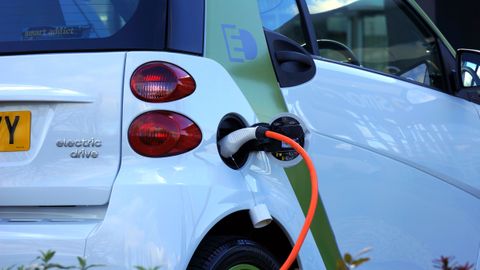
Comparisons between electric and combustion cars are usually made on sticker price, which is the single least informative number in the calculation.
The components
Purchase price, net of any incentive. Electric vehicles have generally been more expensive to buy, with the gap narrowing and reversing in some segments as battery costs fall.
Depreciation, which is the largest cost for most owners and the most volatile.
EV residual values have been unusually unstable, affected by rapid model improvement, manufacturer price cuts on new vehicles that immediately reprice the used market, and uncertainty about battery health.
This is a genuine risk that combustion buyers do not carry to the same degree, and it is the item most often omitted from favourable comparisons.
Energy. Where the electric case is strongest, and it depends enormously on charging pattern.
Home charging on an off-peak tariff can be a small fraction of the fuel cost of an equivalent petrol car. Exclusive reliance on public rapid charging can approach or exceed petrol cost.
The spread between those two cases is larger than any other variable in the comparison, which is why home charging access matters so much.
Maintenance. Genuinely lower.
No oil changes, no spark plugs, no exhaust system, no timing belt, no clutch. Brake pads last considerably longer because regenerative braking does most of the deceleration.
What remains: tyres, which wear faster because of vehicle mass and torque; cabin filters; brake fluid; coolant for the battery thermal system; and suspension components.
Fleet operators consistently report lower scheduled maintenance cost, which is the most reliable evidence available.
Insurance. Frequently higher, for two reasons: higher vehicle values and repair costs, and a shortage of trained repairers for high-voltage systems.
Battery damage in a collision can total an otherwise repairable vehicle, which insurers price in.
Taxes and charges. Highly jurisdiction-specific and changing. Several countries that offered exemptions are phasing them out as adoption rises, which is predictable and should be assumed in any long-horizon calculation.
The battery replacement question
The most common concern, and the evidence is reassuring with caveats.
Warranties typically cover the pack for eight years or a substantial mileage, with a guaranteed minimum remaining capacity.
Fleet data suggests degradation is slower than early projections, with most packs retaining a high proportion of capacity well beyond warranty.
Out-of-warranty replacement is expensive. Module-level repair rather than whole-pack replacement is becoming more available and reduces the worst case substantially, and access varies by manufacturer.
For a buyer keeping a car eight years, this is a small risk. For a buyer of a twelve-year-old used EV, it is a real one and should be reflected in the price paid.
How the answer changes by situation
High mileage, home charging, long ownership. The electric case is strong and frequently decisive, because energy and maintenance savings accumulate.
Low mileage, home charging. Weaker, because the savings scale with distance while depreciation does not.
No home charging, any mileage. Substantially weaker. Public charging costs and the inconvenience both count.
Company or fleet use in jurisdictions with favourable benefit-in-kind treatment. Frequently overwhelming, and that is a tax policy artefact rather than a cost fact.
Used purchase. Increasingly attractive, because the steep early depreciation has already been absorbed by the first owner and the running-cost advantage remains.
The residual value question
The largest uncertainty in the whole calculation, and worth treating separately.
Used values depend on three things that are all in motion: how quickly new models improve, whether manufacturers cut new prices, and how confident buyers are about battery health.
The third is improving as diagnostic tools become standard and as data on real degradation accumulates. The first two are not under anyone's control.
A buyer intending to keep a car for a decade is largely insulated from this, because the depreciation is amortised across many years and the running-cost advantage compounds.
A buyer expecting to change after three years is exposed to it directly, and should treat the residual assumption as the largest single risk in the calculation rather than as an input.
Doing the calculation
Take your actual annual distance. Multiply by your car's real consumption, not the sticker figure. Multiply by your actual electricity price in the window you would charge.
Compare against the same distance at your current fuel consumption and fuel price.
Then add estimated depreciation over your intended ownership period, which for a new car is by far the largest line and is the one people leave out.
The result is frequently different from the received wisdom in either direction, and it is specific to you rather than to the technology.