Electric Vehicles
Why Cold Weather Changes Everything For An Electric Car
Low temperatures cut electric range through slower chemistry, cabin heating and denser air, and each of these acts on a different part of the vehicle.
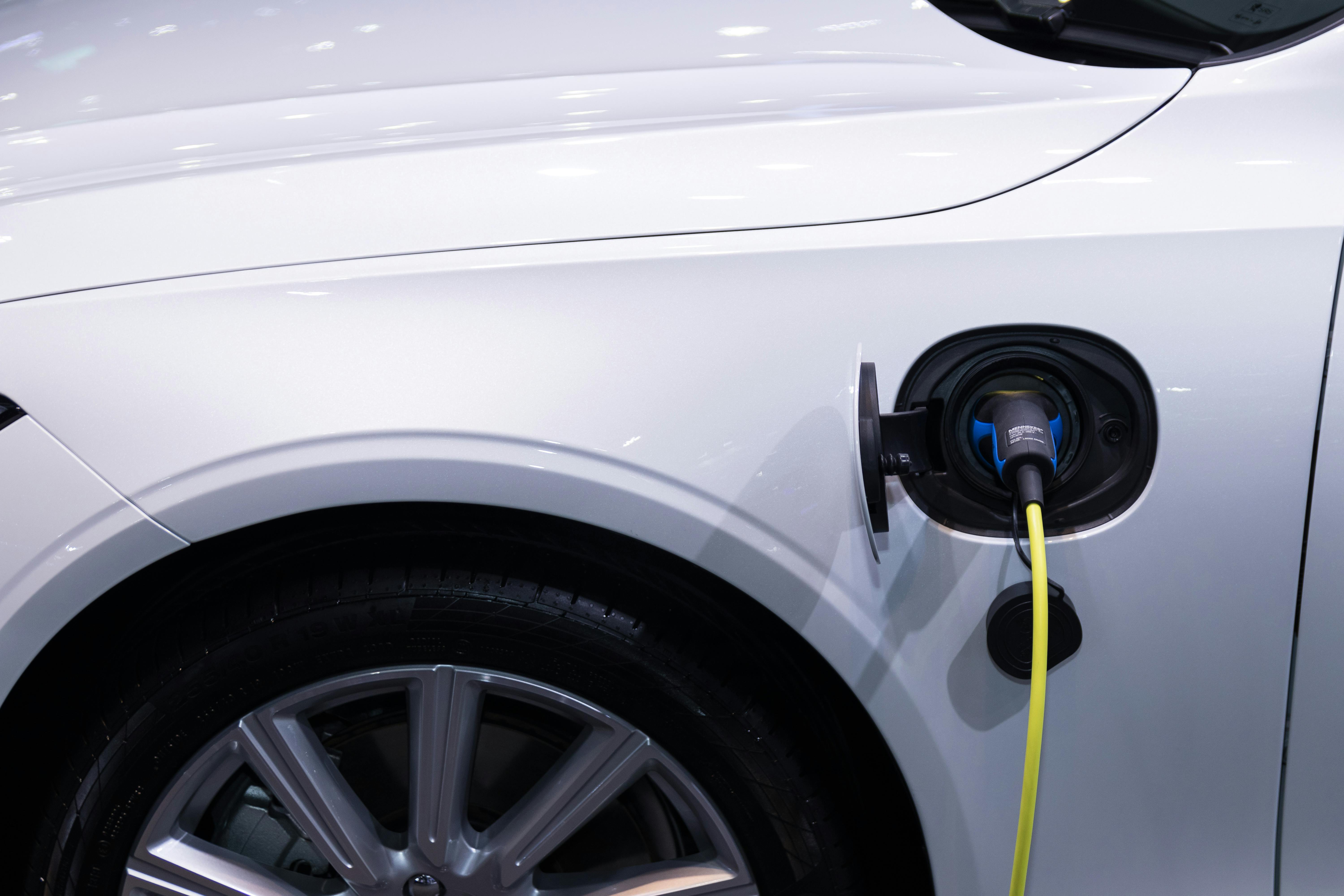
Electric vehicles lose range in winter, often noticeably. Several separate mechanisms are at work, and understanding which is dominant explains why some cars suffer far more than others.
Battery chemistry slows when it is cold
Lithium ions move through the cell more slowly at low temperatures because the electrolyte becomes more viscous and the internal resistance rises.
The stored energy has not disappeared, but less of it is available at usable power levels, and more is lost as heat during both discharge and charging.
This is why a cold car often reports reduced range that partly recovers once the pack has warmed through normal use.
Cabin heating draws directly from the pack
A combustion engine produces surplus heat continuously, so cabin warmth is nearly free. An electric drivetrain is efficient enough that very little waste heat exists.
Heating must therefore come from the battery. A resistive heater can draw power comparable to steady motorway driving, which is why winter range falls most on short trips.
Heat pumps reduce this considerably by moving heat rather than generating it, though their advantage narrows as outside temperatures approach the lower end of their operating range.
Charging is deliberately restricted when cold
Fast charging a cold cell risks depositing metallic lithium on the anode, which permanently reduces capacity. Vehicle software prevents this by limiting the charging rate.
The car must warm the pack before it can accept full power, which is why a rapid charge after a cold start can take far longer than expected.
Many vehicles precondition the battery automatically when a charging stop is entered into the navigation system, which is the single most effective winter habit.
The air itself is working against the car
Cold air is denser, so aerodynamic drag increases at any given speed. The effect is modest around town and significant at motorway pace.
Winter tyres, snow and wet roads all raise rolling resistance as well, and these losses apply to any vehicle rather than being specific to electric ones.
Combined, environmental factors account for a meaningful share of the seasonal difference that owners often attribute entirely to the battery.
Preconditioning shifts the load rather than removing it
Warming the cabin and pack while still plugged in uses grid electricity instead of stored energy, leaving the battery full at departure.
This does not make the energy free, but it moves the consumption to a point where it does not reduce range and is usually cheaper per unit.
The practical effect on a commute can be substantial, which is why manufacturers increasingly schedule preconditioning automatically from a departure time.