Electric Vehicles
What Happens Inside A Battery Pack As It Ages
Electric vehicle batteries degrade through several distinct chemical processes, and how a car is charged and stored affects which of them dominates.
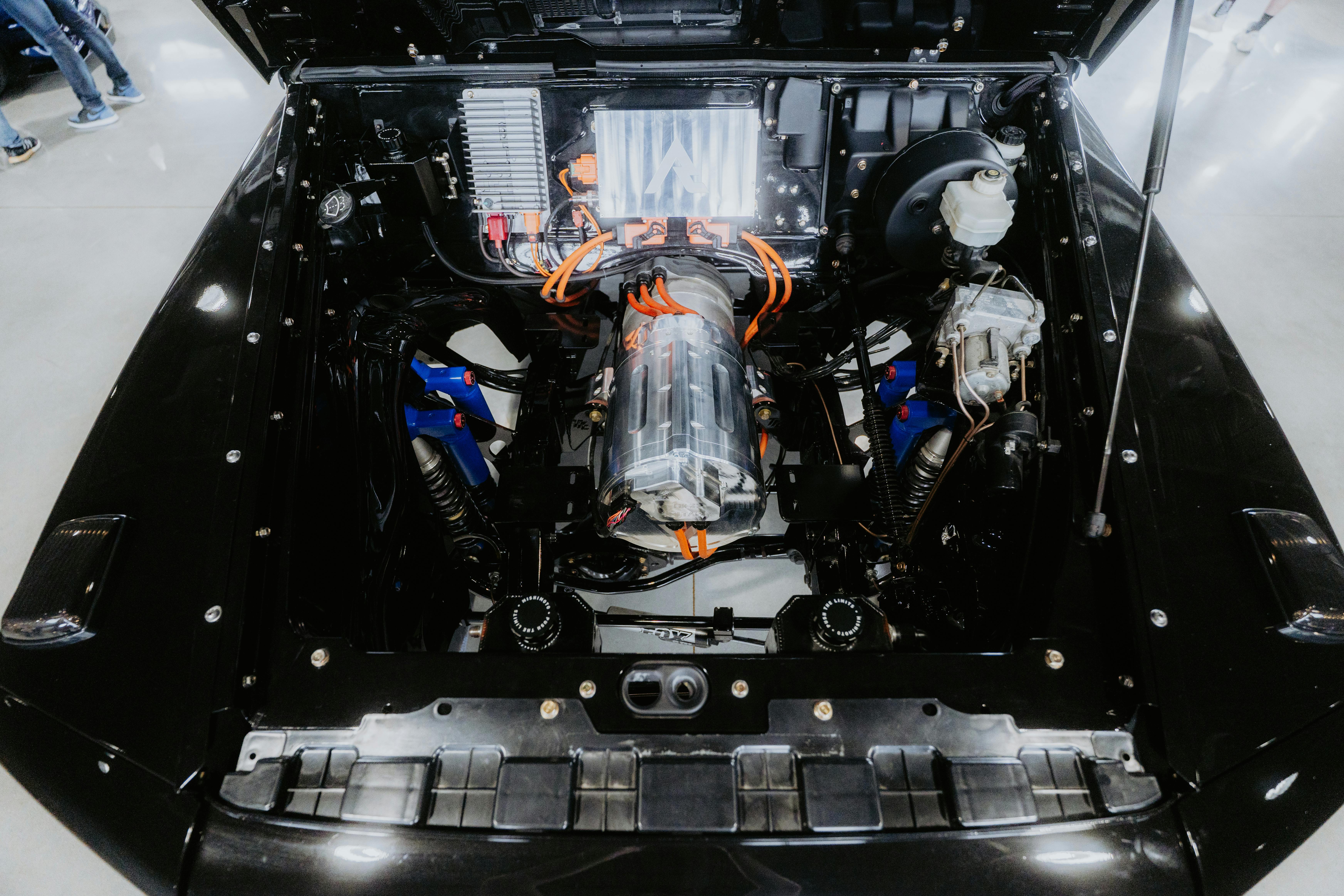
Battery packs lose capacity gradually rather than failing suddenly. The decline comes from several separate processes, and owner behaviour influences some of them far more than others.
A protective layer grows at the anode
During the first charges, a thin film forms on the anode surface. It is necessary, because it stops the electrolyte from reacting continuously with the electrode.
That layer keeps thickening slowly over the cell's life, consuming a little lithium each time. The consumed lithium is no longer available to carry charge.
This process continues whether the car is driven or parked, which is why age alone produces measurable capacity loss even in low-mileage vehicles.
Heat accelerates almost everything
Chemical reaction rates rise with temperature, and the reactions that degrade a cell are no exception. A pack held hot ages faster than one held cool.
Heat comes from fast charging, hard driving and simply parking in strong sun. Thermal management systems exist largely to keep the pack within a narrow band.
Vehicles with liquid cooling generally show slower degradation than passively cooled designs, particularly in hot climates or with frequent rapid charging.
State of charge matters when parked
A cell held at very high charge sits at higher voltage, which stresses the electrolyte and speeds the side reactions that consume lithium.
Storing at a moderate level reduces that stress considerably. This is the reasoning behind the common advice to charge to a partial level for daily use.
The effect is largest over long idle periods. A car parked full for weeks experiences more calendar ageing than one parked at a middling charge.
Cycling causes mechanical wear as well as chemical
Electrode materials expand and contract slightly as lithium moves in and out. Repeated over thousands of cycles, this creates cracking and loss of electrical contact.
Deep cycles from very full to nearly empty produce more of this strain than shallow ones, which is why many small top-ups are gentler than few large ones.
Cell design influences how much of this a chemistry tolerates, and packs are sized with a hidden buffer so the user never reaches the true extremes.
Degradation is not linear
Most packs lose a noticeable fraction of capacity in the first period of use, then settle into a much slower rate for a long stretch afterwards.
That early drop alarms owners who project it forward, but the curve flattens, and extrapolating the first year usually produces a badly pessimistic estimate.
Warranty terms are written around this shape, guaranteeing a retained capacity threshold rather than promising a rate of decline.