Electric Vehicles
Regenerative Braking And Where The Energy Goes
Recovering energy during deceleration is one of the largest efficiency advantages electric cars hold, though physical limits mean friction brakes never disappear.
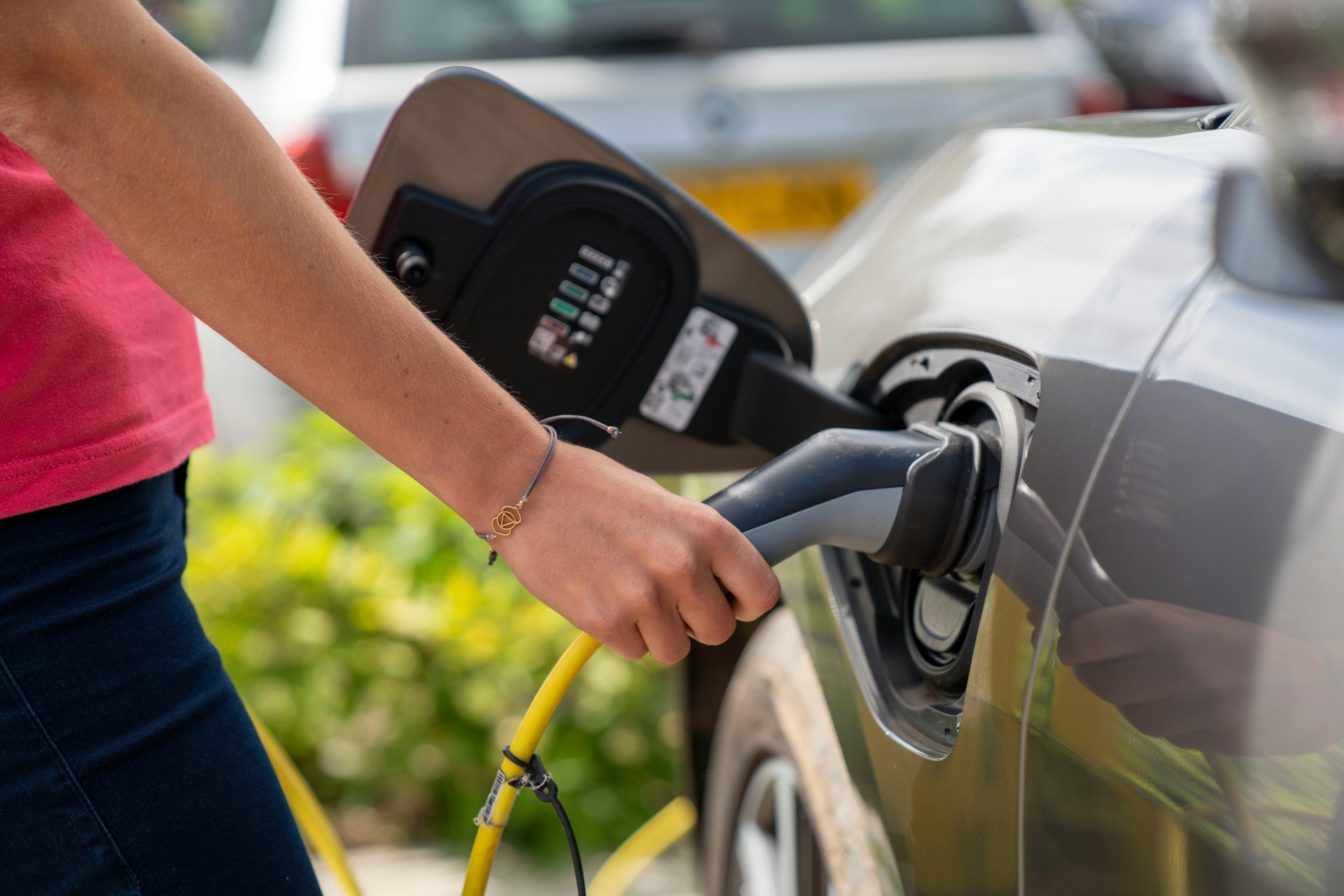
An electric motor can act as a generator, converting a vehicle's momentum back into stored energy. This recovery explains much of the efficiency gap between electric and combustion cars in traffic.
The motor runs backwards to slow the car
When the driver lifts off, the motor is driven by the wheels rather than driving them, and the resistance it produces decelerates the vehicle.
The electrical energy generated flows back into the battery, and the braking force felt is a consequence of that current rather than of any friction.
Because no pads are involved, this braking produces no heat at the wheels and causes no measurable wear on the friction components.
Urban driving benefits most
Stop-start traffic converts kinetic energy into heat repeatedly in a combustion car, which is why city consumption is usually worse than motorway consumption.
An electric car recovers a substantial share of that energy instead, which reverses the pattern and makes city efficiency better than motorway efficiency.
This is the main reason urban range often exceeds the figure achieved at sustained high speed, where aerodynamic losses dominate and cannot be recovered.
Recovery is limited by several factors at once
A full battery cannot accept charge, so regeneration is reduced or disabled when the pack is near capacity, typically at the start of a downhill journey.
Cold cells also accept charge poorly, which is why regenerative braking is weak in the first minutes of a winter drive until the pack warms.
The motor and power electronics have current limits as well, capping how quickly energy can be pushed back regardless of how hard the driver decelerates.
Friction brakes remain necessary
Emergency stops require more deceleration than a motor can provide, so mechanical brakes handle the upper range of braking force.
They also hold the vehicle stationary and provide a fully independent system, which safety requirements demand regardless of how capable regeneration becomes.
Because they are used rarely, corrosion becomes a more common maintenance issue than wear, and some vehicles apply the pads occasionally to keep surfaces clean.
Blending is a software problem
Most cars blend regenerative and friction braking automatically, adjusting the mix continuously so that pedal feel stays consistent as conditions change.
Achieving that smoothly is genuinely difficult, since the available regeneration varies with charge level, temperature and speed from one moment to the next.
Single-pedal driving simplifies the experience by mapping strong deceleration to lifting off, which also increases how often recovery is used.