Electric Vehicles
Fleet Electrification And Why Depots Come First
Commercial operators electrify before consumers in many segments, because vehicles that return to one location each night solve charging and utilization in a way private cars cannot.
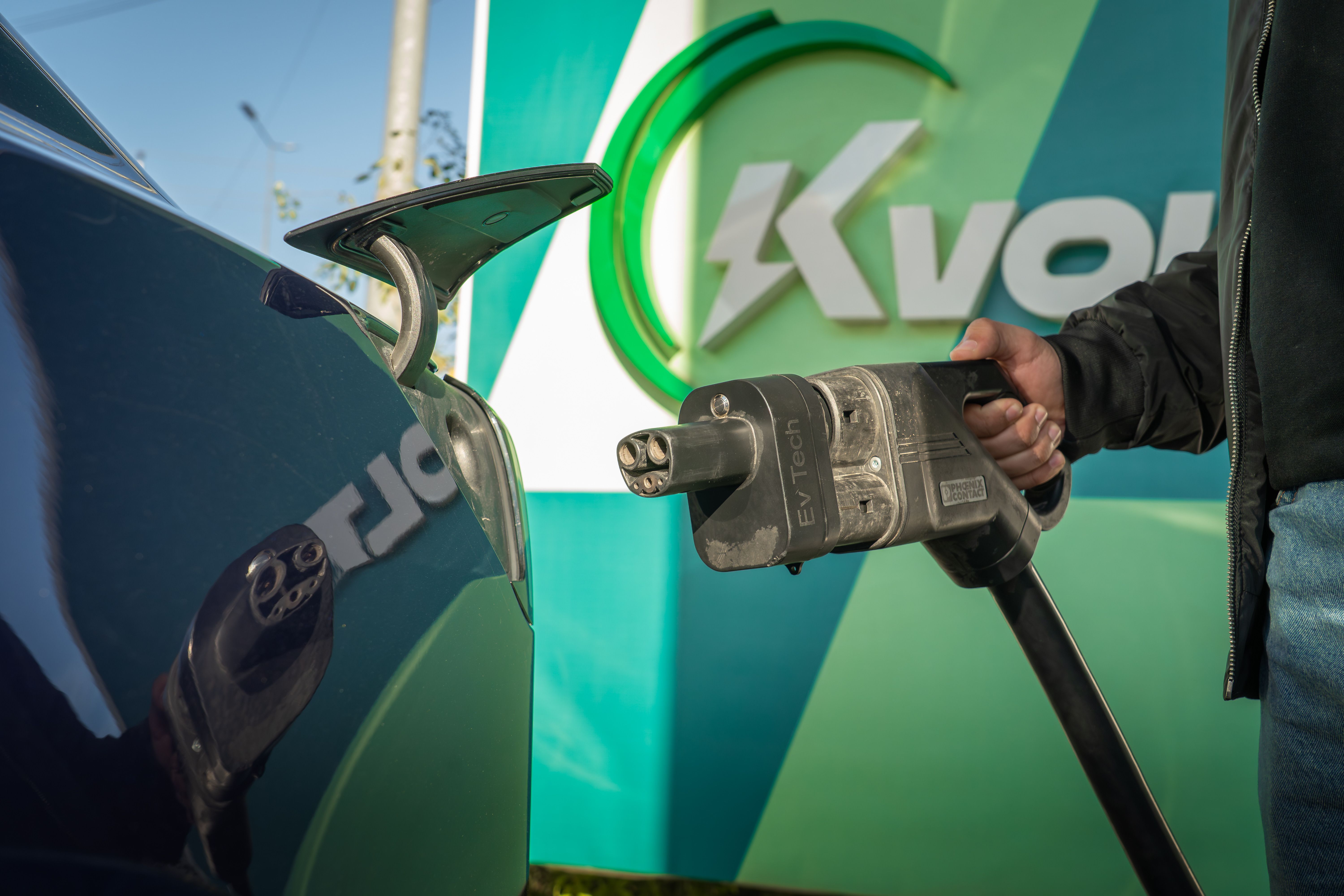
Delivery vans, school buses, transit and short-haul trucks are converting on a timeline that runs ahead of comparable private vehicles. The reason is that fleets have the conditions electrification requires.
Predictable routes remove range anxiety
A vehicle that runs a known circuit and returns to base has a measurable daily energy requirement rather than an uncertain one.
That converts the specification problem from guessing about worst cases to sizing against observed data, which fleets already collect through telematics.
Where duty cycles vary, operators assign electric vehicles to the routes that fit and leave the outliers on existing equipment.
Depot charging is cheaper and simpler than public charging
Charging overnight at a facility uses lower-cost electricity, avoids public network fees and needs no reliance on infrastructure the operator does not control.
Vehicles sit idle for many hours, so charging can be slow, which reduces equipment cost and eases the electrical service requirement considerably.
Managed charging spreads the load across the night to avoid demand charges, which is often worth more than the energy price difference.
The electrical service is the long lead item
A depot converting many vehicles may need a service upgrade, new transformers and possibly a distribution upgrade from the utility, and those take far longer than buying vehicles.
Operators that begin the utility conversation late find themselves with vehicles they cannot charge, which has become the most common failure mode in fleet projects.
Phased approaches, on-site storage and lower-power charging spread across more stalls all reduce the size of the required upgrade.
Maintenance economics favor high-mileage use
Savings from reduced fuel and simpler drivetrains scale with distance, so a vehicle covering many miles a day reaches favorable total cost far sooner than a private car.
Fleets also retain vehicles for defined service lives and account for costs across them, which makes the arithmetic visible rather than intuitive.
Technician training and diagnostic equipment are real costs, but they are amortized across many identical vehicles rather than borne once.
Why school and transit buses moved early
These vehicles have fixed routes, central parking, long idle periods and operators sensitive to local emissions around children and passengers.
They also have institutional purchasers able to access grant funding and to plan capital over long horizons, which suits an investment whose savings accrue over years rather than months.