Electric Vehicles
Charging Networks, Payment And The Roaming Problem
Public charging feels fragmented because the station, the network operator, the payment processor and the driver's account are separate parties whose agreements do not always exist.
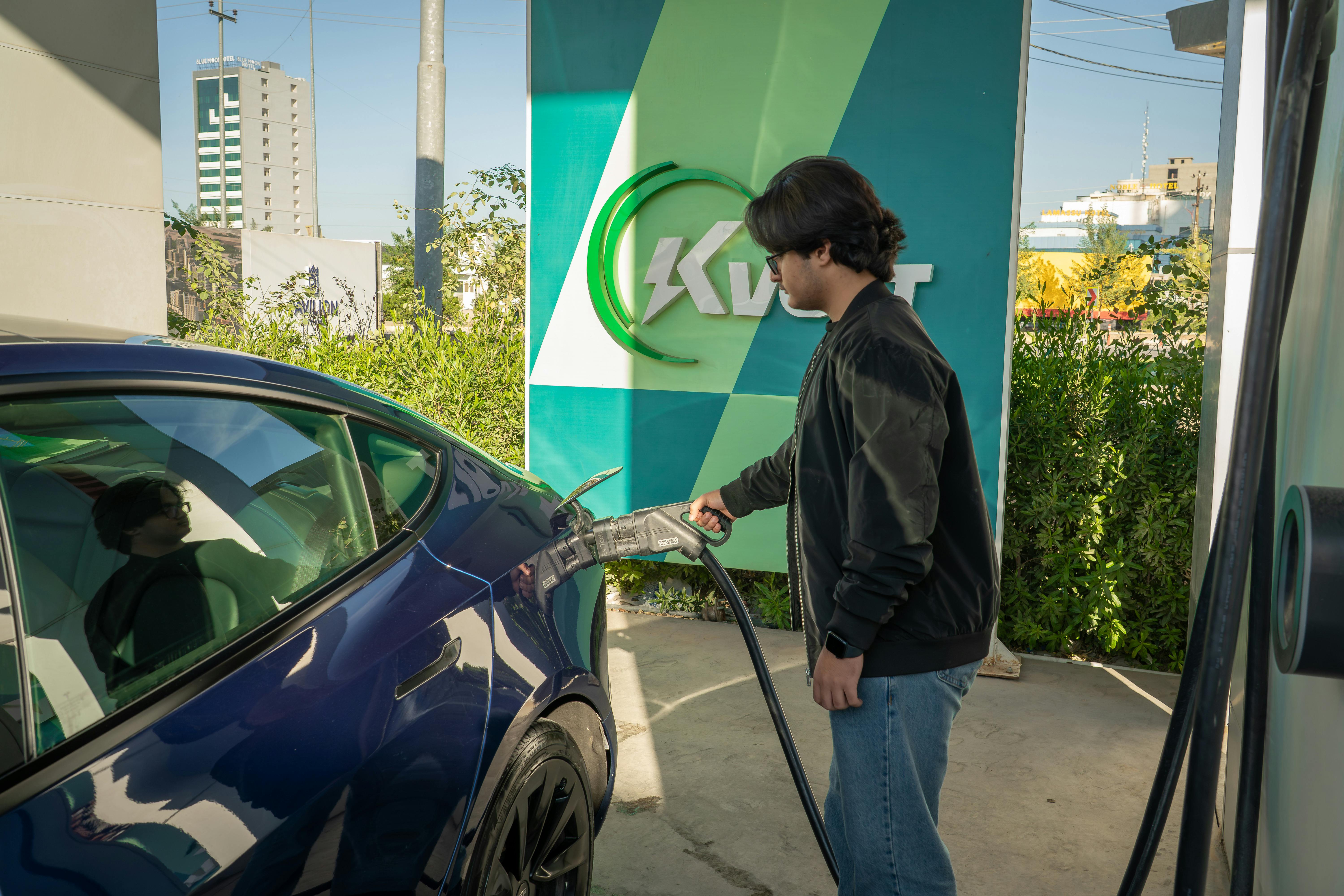
A driver who can refuel anywhere with one card is often surprised that public charging requires several apps and sometimes fails at the point of payment. The cause is structural rather than technical.
The charger and the network are different businesses
Hardware is manufactured by one company, owned by a site host such as a retailer or municipality, and operated by a network that handles pricing, authorization and support.
Those roles can be filled by three or four organizations at a single location, and the driver interacts with whichever one holds the account relationship.
When something fails, responsibility is genuinely split, which is why repairs at underperforming sites can take far longer than the fault itself warrants.
Roaming agreements decide whether your account works
Roaming is the arrangement that lets a subscriber of one network start a session on another, with the charge settled between the operators afterward. It is the same idea as cellular roaming and works the same way.
Where no agreement exists, the driver must create another account or pay directly, which is the friction most people experience as fragmentation.
Clearing houses have emerged to broker these relationships in bulk, so coverage is broadening without every operator negotiating with every other.
Plug-and-charge moves authorization into the car
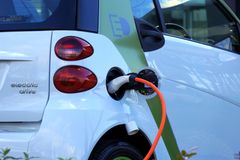
A standardized approach lets the vehicle and charger exchange cryptographic credentials, so a session starts when the cable is connected and billing is handled by an account already linked to the car.
It removes both the app and the card reader from the interaction, which also removes a common failure point in cold weather and poor cell coverage.
Rollout depends on the vehicle, the charger firmware and the network all supporting it, so a driver may see it work at one site and not the next.
Card readers exist because of consumer protection expectations
Public funding programs and state rules increasingly require that a driver be able to pay with an ordinary contactless card, without membership or an app.
That requirement improves access but adds hardware, connectivity and compliance obligations to every stall, and card terminals are among the components that fail most often outdoors.
Operators balance these costs against the reality that most sessions come from account holders using the network they already belong to.
Why reliability reporting is improving
Federal and state funding for charging has increasingly come with uptime obligations and reporting requirements, which forces operators to measure availability rather than assert it.
Defining uptime is itself contested, since a stall that powers on but charges slowly is not obviously working, and standard definitions are still settling across the industry.