Energy
Why Efficiency Gains Do Not Always Cut Demand
Making energy use more efficient lowers the cost of a service, which often increases how much of it people use and offsets part of the expected saving.
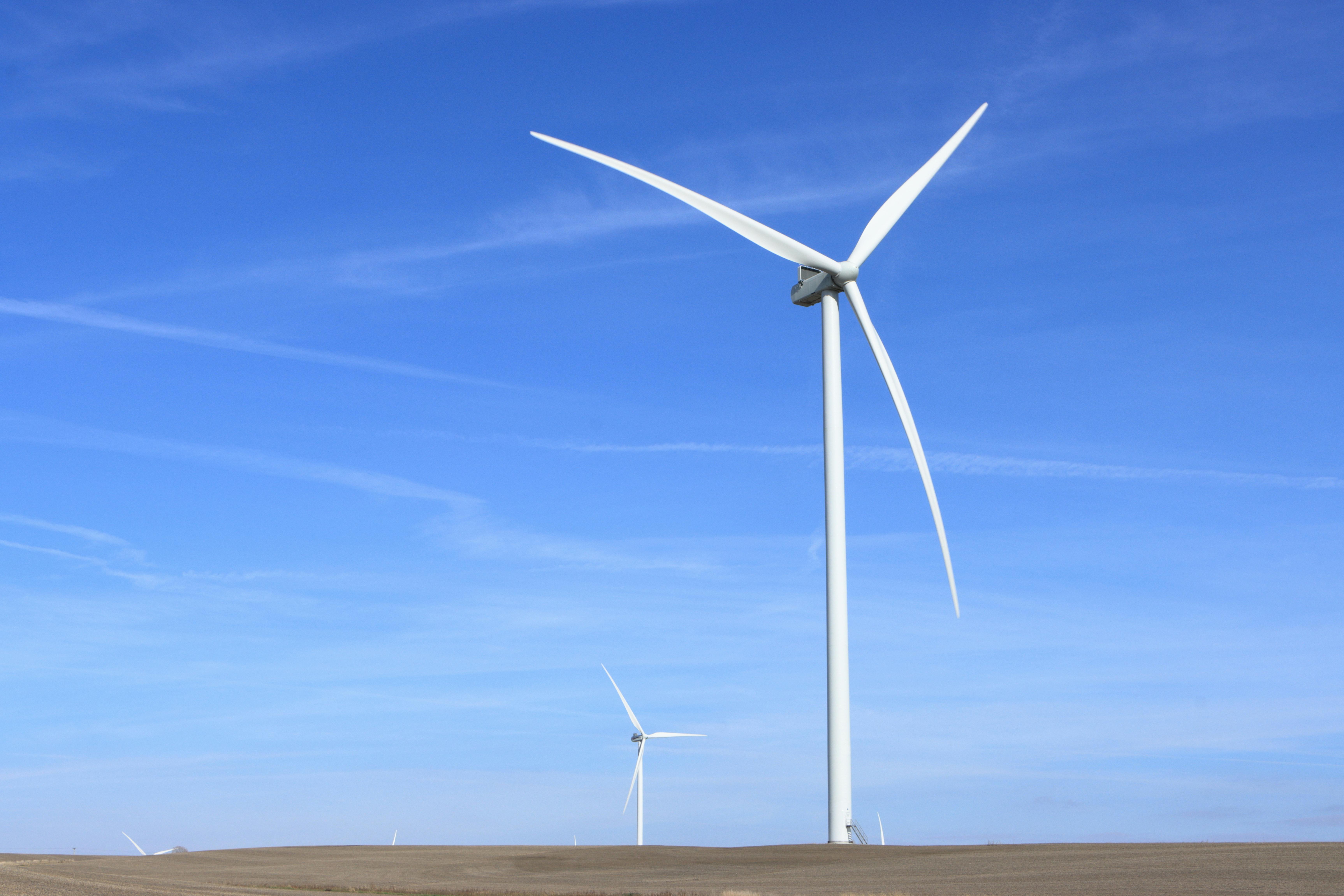
Efficiency improvements are usually assumed to reduce consumption by the amount they save. In practice the reduction is smaller, because cheaper services tend to be used more.
Efficiency lowers the price of a service
People do not buy energy for its own sake. They buy warmth, light, movement and computation, and energy is an input cost to each.
An efficiency gain reduces the energy needed per unit of service, which lowers what that service costs to deliver.
Lower cost tends to increase consumption, which is ordinary economic behaviour rather than anything specific to energy.
The effect appears at several levels
Directly, a household with cheaper heating may keep more rooms warm or maintain a higher temperature than before.
Indirectly, money saved on one service is spent on others, and those purchases carry their own energy content somewhere in the economy.
At the widest level, an efficiency improvement that lowers the cost of an input can enable entirely new activities that were previously uneconomic.
Magnitude varies enormously by context
Where a service is already satisfied, the effect is small. A household that is warm enough does not become warmer simply because heating is cheaper.
Where a service is suppressed by cost, the effect is large, and much of the saving is taken as improved comfort rather than reduced consumption.
This is why efficiency programmes aimed at households in cold homes deliver welfare benefits that appear disappointing when measured only in energy saved.
Lighting is the standard illustration
The efficiency of artificial light has improved by an enormous factor over the long run, far more than any other common energy service.
Consumption of light rose correspondingly, and buildings and streets are now illuminated to levels that would have been unaffordable previously.
Total energy spent on lighting did not fall in proportion to the efficiency gain, because the amount of light demanded expanded to meet the lower price.
The conclusion is not that efficiency fails
The additional consumption is a benefit rather than a loss, since it represents services people value and previously could not afford.
Efficiency still reduces energy use relative to what the same activity would otherwise have required, which is the correct comparison.
What it does not do is deliver savings that can be assumed in advance and counted on in a plan, which is why policy usually pairs it with measures acting on supply.