Robotics
Why Dust And Mess Break Real Robots
Machines that work in laboratories often fail in real settings because dirt, moisture, vibration and clutter degrade sensors and mechanisms in ways demonstrations never reveal.
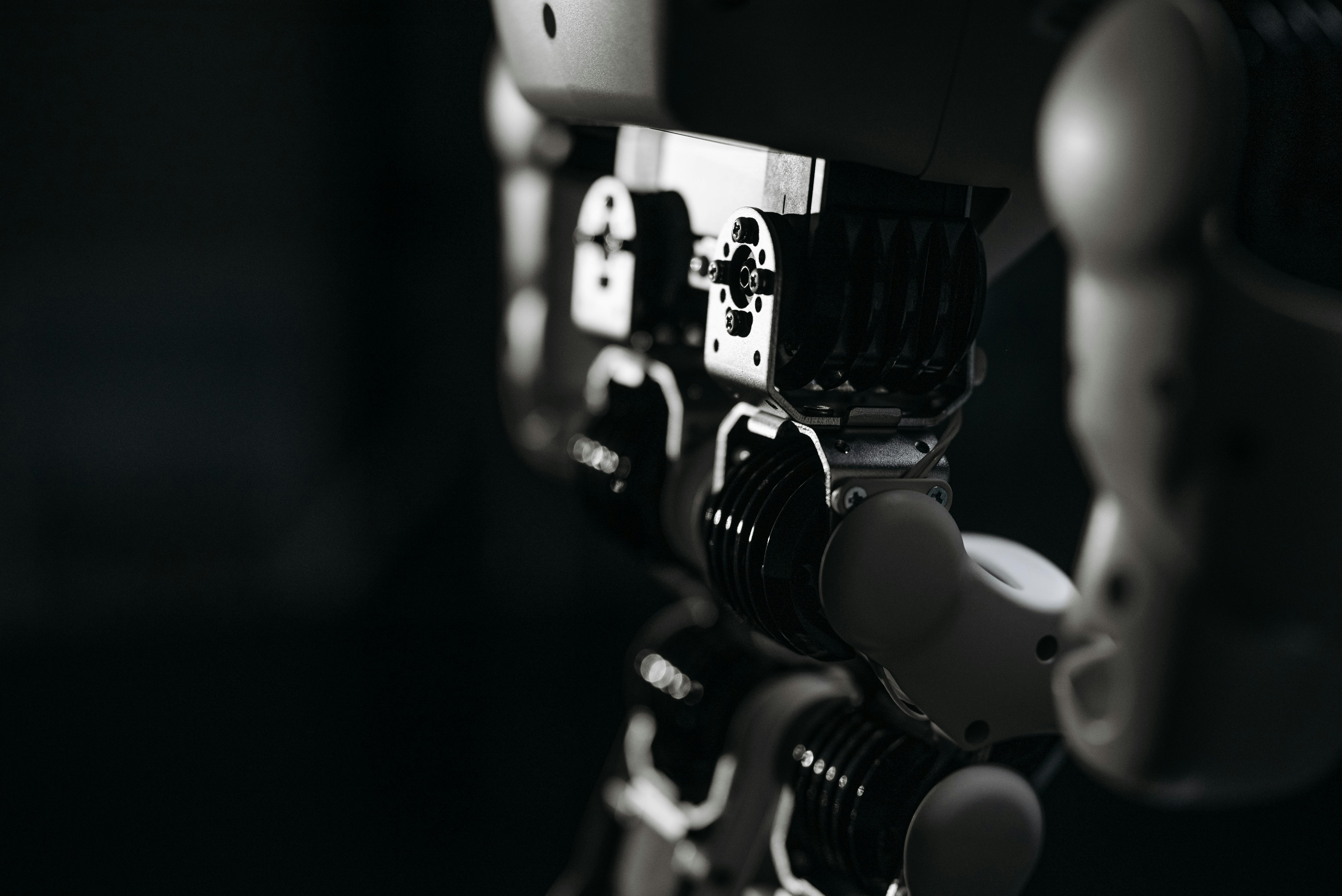
A robot that performs reliably in a laboratory frequently struggles within weeks of deployment. The causes are mundane, environmental and rarely featured in demonstrations.
Sensors degrade before mechanisms do
Cameras and depth sensors depend on clean optical surfaces, and a thin film of dust changes what they report long before it becomes visible to a person.
Laser scanners are similarly affected, with reduced range and spurious returns from particles suspended in the air near the machine.
Because the degradation is gradual, performance declines slowly rather than failing outright, which makes the cause harder to identify from behaviour alone.
Seals and bearings define service life
Fine particles work into joints and bearings, where they act as an abrasive and accelerate wear on surfaces designed for clean operation.
Sealing against that ingress adds friction, and the seals themselves wear, so protection is a maintenance item rather than a permanent solution.
Machines intended for dirty environments are built differently from the outset, with enclosed drivetrains and positive pressure inside housings where practical.
Real spaces are cluttered and change
A laboratory floor is clear and its layout is stable. A working site has pallets, cables, spills and people who move things without informing anyone.
Navigation systems built on a stored map degrade as the environment diverges from it, and updating the map continuously introduces its own instability.
Robots that cope well tend to rely less on remembered structure and more on what they can currently perceive, at some cost in efficiency.
Temperature and humidity move specifications
Battery capacity, motor resistance and sensor calibration all shift with temperature, and outdoor or unheated sites vary far more than a climate-controlled room.
Condensation forms when a cold machine enters a warm space, depositing moisture inside enclosures where it can cause intermittent electrical faults.
These effects produce failures that appear random until someone correlates them with time of day or with the weather outside.
Cleaning access is a design requirement
Machines that cannot be cleaned quickly will not be cleaned often, and maintenance that requires tools and disassembly is deferred until something fails.
Designs that expose sensor surfaces and grease points without removing panels see markedly better uptime in practice.
This is unglamorous work that rarely appears in specifications, yet it separates deployments that survive a year from those that quietly stop being used.