Energy
Coal Plant Retirements And What Replaces Them
Closing a large thermal plant removes energy, capacity, local jobs and grid services at once, and each of those has to be replaced by something different.

A retiring coal unit is often described as being replaced by renewables, which is true for the energy it produced and incomplete for everything else the plant was doing.
Economics rather than mandate drives most closures
Older thermal units face maintenance costs on aging equipment, environmental compliance investment and competition from generation with lower operating cost.
A plant that runs fewer hours each year earns less while its fixed costs continue, and at some point the owner concludes that the next major overhaul cannot be justified.
This is why retirements cluster around scheduled capital decisions rather than arriving smoothly with policy announcements.
Energy and capacity are separate replacements
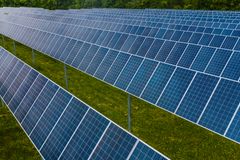
Replacing the electricity is straightforward: wind, solar and gas generation can produce the same annual output, often more cheaply.
Replacing the assurance that the plant would run on a still, cold January evening is harder, and typically requires a combination of storage, flexible generation, transmission and demand response.
System operators therefore review proposed retirements for reliability impact and can require a unit to keep running under contract until replacements arrive.
The plant provided services that are billed separately
Large spinning generators supply inertia, voltage support and reserves that keep the system stable through disturbances, and these were historically incidental to producing energy.
When such units leave, those services have to be procured explicitly, from inverter-based resources with appropriate controls, synchronous condensers or contracts with remaining plants.
Markets for these products have developed unevenly, which is part of why the loss of a large unit can be more disruptive than its share of energy suggests.
The site itself has value and liabilities
A retired plant sits on land with high-voltage interconnection, cooling water access, rail and a trained industrial workforce, which makes it attractive for replacement generation, storage or large computing loads.
Against that stand ash impoundments, contaminated ground and demolition costs, and responsibility for those obligations is frequently the slowest part of redevelopment.
Reusing the interconnection is the single most valuable asset, because it substitutes for a queue position that would otherwise take years.
Local finances take the largest single hit
A generating station is often the dominant taxpayer in its county, funding schools and services, and its closure removes that base at the same time as the jobs.
Transition funding programs exist at state and federal level, but replacement industries rarely arrive on the schedule that the tax base disappears, which is why plant closures remain politically difficult regardless of the economics.