Energy
Capacity Markets And Paying For Power That Sits Idle
Grid operators buy a promise to be available years in advance, because an electricity market that pays only for energy delivered will not fund the plants needed on the worst day.

Several American regions run auctions in which generators are paid simply for committing to be available at some future date. The reasoning behind paying for idleness explains a great deal about how power systems are financed.
Energy-only markets underfund reliability
If generators earn revenue only for electricity actually delivered, a plant that runs a handful of hours each year during extreme demand earns almost nothing.
In theory scarcity prices during those hours would be high enough to compensate, but regulators cap prices to protect consumers, which removes the revenue that would justify building the plant.
The result is a system that is adequate on average and short exactly when it matters, which is the problem capacity mechanisms exist to solve.
The product is availability, not electricity
A capacity auction buys a commitment to be ready during a defined future period, typically years ahead so that new resources have time to be built.
Resources that clear receive a payment whether or not they run, and face penalties if they are unavailable when called during a shortage.
The penalty structure is what makes the commitment meaningful, and it has been strengthened after events where paid resources failed to perform in severe weather.
Different resources are counted differently
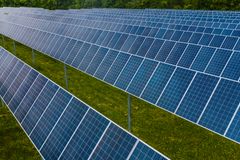
A generator that can run on demand contributes close to its full rating. A wind or solar resource contributes only the share reliably available during the hours the system is most stressed.
Batteries are credited according to how long they can sustain output, since a short-duration unit cannot cover an extended evening peak.
These accreditation rules are among the most consequential and most disputed decisions a market operator makes, because they determine what gets built.
Demand response competes on the other side
A commitment to reduce consumption is, from the system's point of view, equivalent to a commitment to generate. Large industrial users, aggregated buildings and water utilities all participate.
This is usually the cheapest capacity available, since it requires no construction, but it is limited by how long and how often participants can tolerate reduction.
Verifying that a reduction actually occurred requires a counterfactual baseline, which is a persistent source of measurement disputes.
Why the design keeps being revisited
Capacity constructs are attempts to correct a market that regulators will not allow to clear at true scarcity prices, so they inherit that tension permanently.
As the resource mix shifts toward weather-dependent generation and storage, the question of what counts as firm capacity is reopened repeatedly, and each revision moves substantial money between generators, states and consumers.