Neurotech
Why Reading And Writing Are Not Symmetric
Recording brain activity has advanced far faster than delivering information into the brain, because stimulation is blunt where recording can be selective.
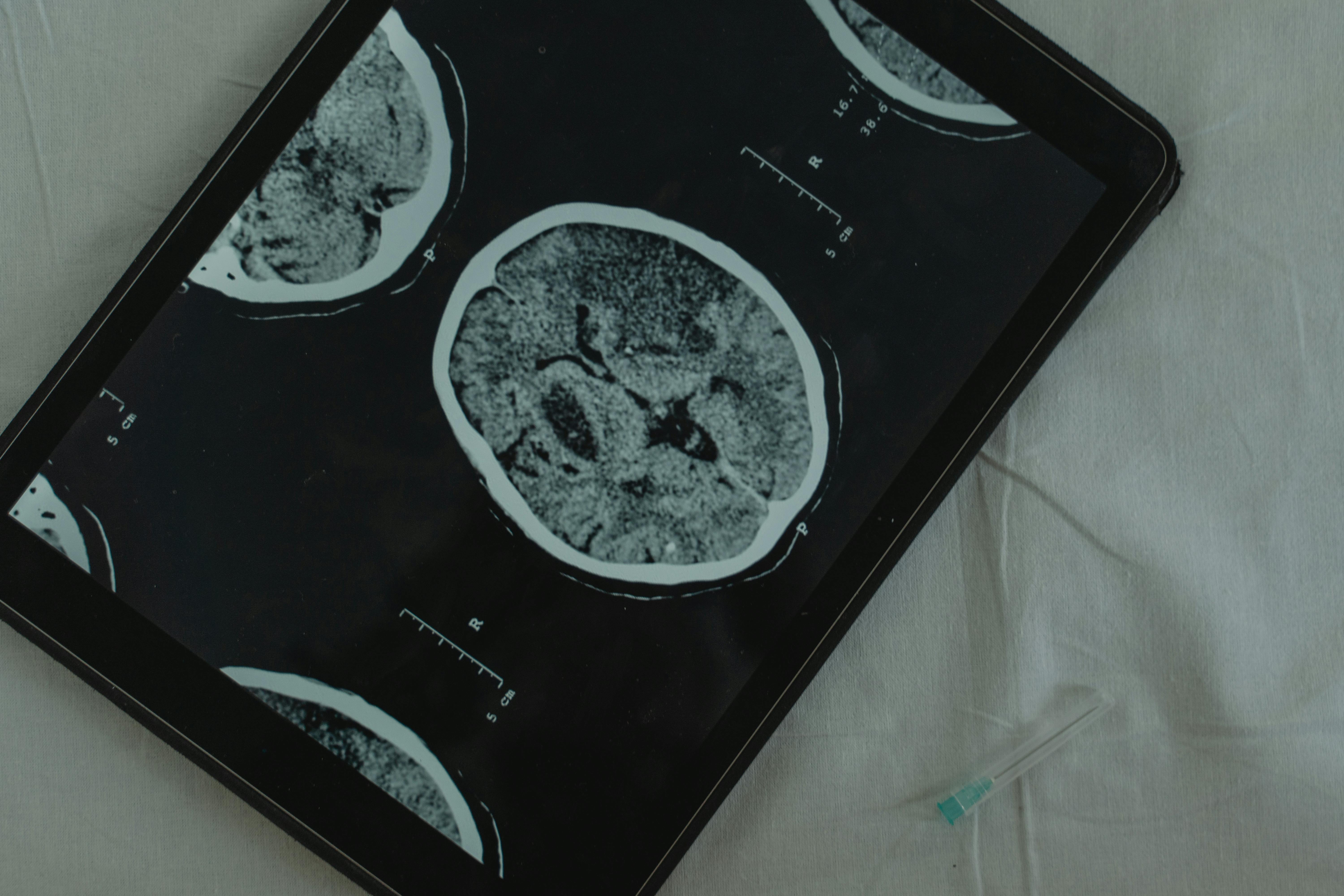
Interfaces that read from the brain have progressed considerably further than those that write to it. The asymmetry is not a matter of investment but of what each direction physically requires.
Recording can be selective without effort
An electrode placed among neurons detects whichever cells happen to be nearby, and signal processing can then separate contributions from different sources.
Selectivity is achieved after the fact, in analysis, which means a single passive sensor can yield information about multiple distinct units.
Adding more electrodes increases coverage roughly proportionally, which is why channel counts have risen steadily and usefully.
Stimulation affects everything within reach
Delivering current activates every excitable element within a volume, including cell bodies, passing fibres and processes belonging to distant neurons.
There is no way to address one cell and not its neighbour, because the electric field does not respect the distinctions that matter functionally.
Increasing the number of stimulating sites does not solve this, since their fields overlap and interact in ways that are difficult to predict.
The brain's code is not fully known
Even with perfect delivery, writing information requires knowing what pattern would produce a given perception or state.
Recording tells us which activity accompanies an experience, which is not the same as knowing which activity would cause it.
Where the mapping is relatively well understood, as in some sensory pathways, stimulation has produced genuinely useful results.
Sensory prostheses show what is achievable
Cochlear implants work because the relationship between position along a structure and perceived pitch is orderly and well characterised.
Visual prostheses face a harder problem, since the required mapping is more complex and the resulting percepts are coarse compared with normal sight.
The pattern across these efforts is that success tracks how well the underlying organisation of the target region is understood.
Plasticity does some of the work
Users of sensory implants typically report that signals become more interpretable over weeks and months as the brain adapts to the input.
This means a stimulation pattern does not have to reproduce natural activity exactly, only provide something consistent that can be learned.
Relying on adaptation shifts effort onto the user and takes time, which is a meaningful cost even where the eventual outcome is good. Rehabilitation support during that period affects results as much as the device design does.
It also sets a limit on how the technology can be evaluated, since performance measured immediately after activation says little about what the same person will achieve after months of use.