Neurotech
Why Neurosurgery Sets The Ceiling On Implant Design
What can be implanted in the brain is limited by what can be safely placed, powered and later removed, which constrains device size, shape, materials and update paths.
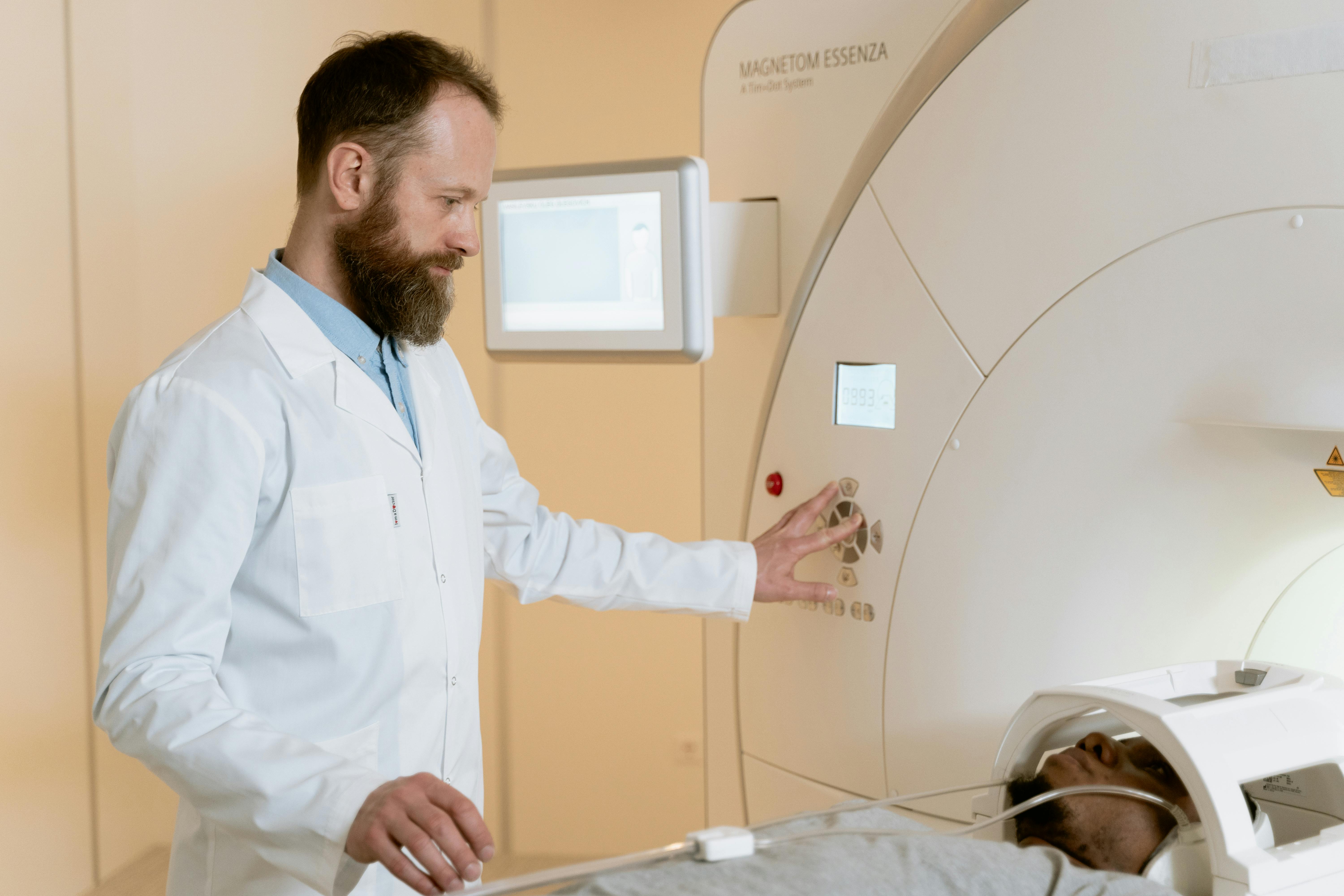
Engineers designing a neural implant work inside a boundary drawn by the operating room. Almost every distinctive feature of these devices traces back to a surgical or anatomical constraint rather than to electronics.
The opening determines the device
Hardware must pass through an opening in the skull that surgeons are willing to make, and larger openings mean longer procedures and greater risk of infection and bleeding.
This favors devices that are thin, that fold or that are inserted through narrow paths, which rules out geometries an engineer might otherwise prefer.
It also explains the persistent interest in delivery through blood vessels, which reaches the brain without opening the skull at all, at the cost of where electrodes can be placed.
Anything implanted must be powered without wires through the skin
A permanent opening in the skin is a permanent infection route, so clinical devices are sealed and powered inductively or by an implanted battery.
Both approaches cap available power severely, and a battery eventually requires another operation, which means device lifetime is a surgical question as much as an electrical one.
Designs that minimize replacement surgery, by rechargeable cells or by very low consumption, are valued out of proportion to their technical elegance.
Materials must survive the body and the body must tolerate them
Warm salt water penetrates most enclosures given enough time, and the immune system responds to anything foreign. Hermetic sealing and biocompatible materials are therefore not finishing touches but core design problems.
The set of materials with a long clinical record is small, which limits fabrication options and makes novel substrates expensive to qualify.
Every material change reopens questions that took years to answer for the previous version, which slows iteration far below the pace of consumer electronics.
Removal has to be possible
Devices fail, patients develop infections, and better versions appear. If hardware cannot be extracted without damaging tissue, the initial decision to implant becomes far harder to justify.
Electrodes that integrate closely with tissue record well and are correspondingly difficult to remove, which is a genuine tension rather than a solvable trade.
Explantability now features in design reviews alongside signal quality, and it strongly influences how aggressively an electrode is allowed to encourage tissue attachment.
Why software updates are the pressure valve
Because hardware cannot be revised after implantation, capability improvements have to arrive as changes to processing and decoding running on or beside the device.
This makes the update path a safety-critical system in its own right, subject to review, and it means a device is often designed with more capability than is initially enabled.