Neurotech
What Sleep Signals Actually Show
Consumer sleep trackers infer stages from movement and pulse rather than measuring the brain, which explains why their readings differ from clinical assessment.
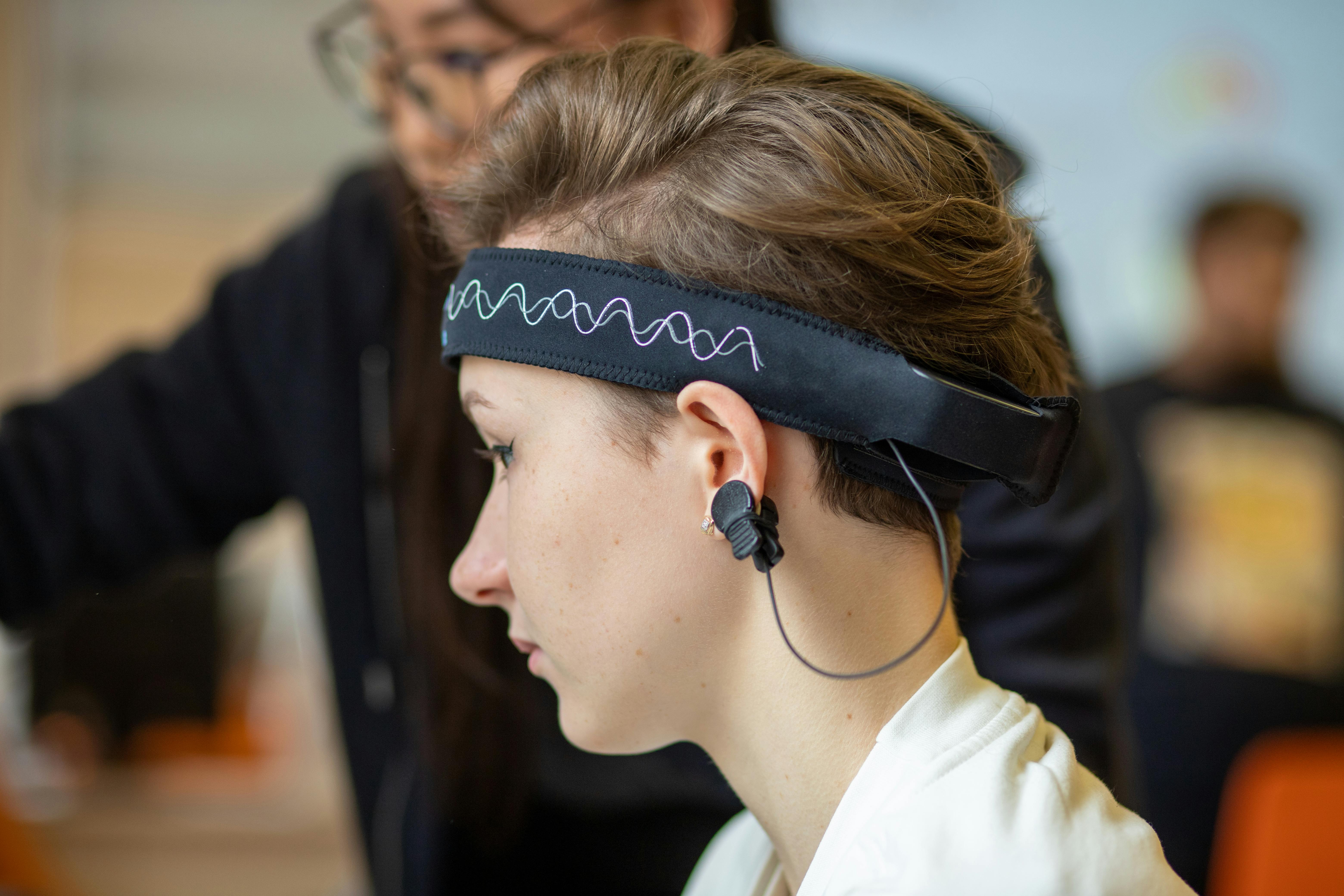
Wearable devices report sleep stages with apparent precision. What they measure is quite different from what a clinical sleep study records, and the distinction matters for interpreting the output.
Clinical staging is defined by brain activity
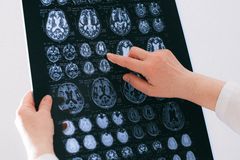
Sleep stages were originally defined from scalp recordings of electrical activity, alongside eye movement and muscle tone, scored in short epochs by trained readers.
Each stage has characteristic features, such as particular waveforms or the absence of muscle tone, that a reader identifies directly.
This remains the reference method, and it requires electrodes on the head and face, which is why it is done in a laboratory or with a home kit.
Wearables infer stages indirectly
A wrist device typically measures movement and pulse, sometimes with skin temperature and blood oxygen, and infers sleep state from patterns in those signals.
The inference is reasonable because heart rate variability and movement do change systematically across stages, but the relationship is statistical rather than definitional.
Agreement with clinical scoring is generally good for distinguishing sleep from wakefulness and considerably weaker for separating individual stages.
Consistency is more informative than absolute values
Because a device applies the same algorithm every night, changes in its output over time carry more meaning than any single night's numbers.
A trend showing later sleep onset across several weeks is informative even if the reported stage proportions are imprecise.
Comparing figures between devices or between people is far less reliable, since each manufacturer's algorithm differs and none is calibrated to the others.
Measurement can affect the thing measured
Attention to sleep data can itself disturb sleep, as people become anxious about the numbers and monitor their performance during the night.
Clinicians have described this pattern, in which the pursuit of perfect sleep data worsens the sleep it was meant to improve.
Using a tracker for broad patterns rather than nightly scrutiny avoids most of that, which is generally the more useful way to read the data anyway.
Persistent problems need clinical assessment
Devices cannot detect the conditions that most often underlie poor sleep, and some of those require specific testing to identify.
Breathing disorders in particular are diagnosed with measurements a wrist device does not make, whatever its oxygen sensor suggests.
Anyone with ongoing daytime sleepiness or disrupted nights should raise it with a clinician rather than attempting to interpret tracker output alone.